On holding something irreversible.
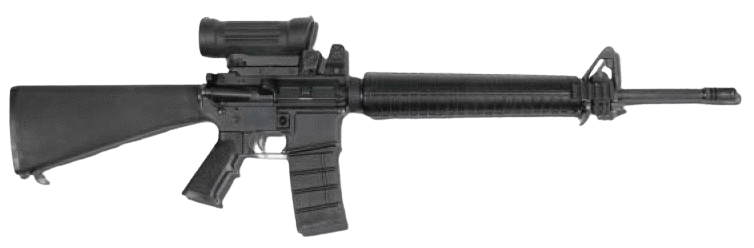
The first time I shot a gun, it wasn’t a small one. It was an M95 — heavy, black, unmistakably military. The kind of weapon whose shape alone tells you it was designed for places where words have already failed.
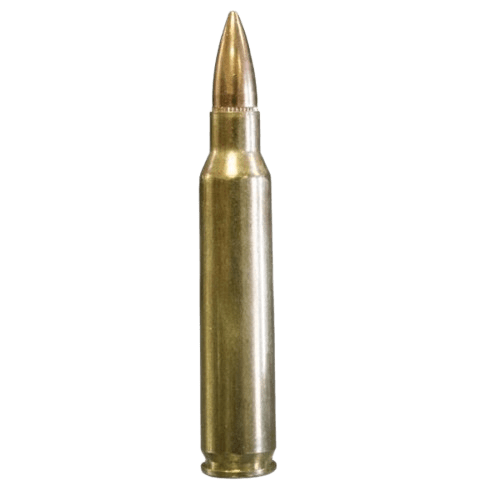
I remember the weight of it before anything else. How it pulled downward, how my body had to accommodate it. Lying on the ground, positioning myself carefully, I became aware of how deliberate every movement needed to be. Nothing about it was casual. Even holding it felt like a commitment.
I wasn’t prepared for the sound. The first shot split the air open — louder than I’d imagined, sharper, more immediate. My ears rang instantly, high and hollow, and for a moment everything else receded. It felt exactly like the movies make it look: the flash, the echo, the strange suspension afterward, as if time itself needed a second to recover.

What surprised me most was not fear, but how quickly my body adapted. The recoil stopped bothering me. The weight became familiar. I remember the cold of the metal against my cheek, the way the butt of the gun had to be braced precisely between my shoulder and collarbone, as if my body was designed to hold it. I held my breath every time I pressed the trigger, lungs locked tight, waiting for the impact. I emptied the magazine methodically, watching the target respond. I hit the inner ring every time. This wasn’t talent so much as compliance — my body learning very quickly what was being asked of it.
And then there was the feeling I hadn’t expected to name so easily: power. Immediate, undeniable. The knowledge that something irreversible had happened because I decided it would. That I was capable of producing that sound, that force, that impact.
It was exhilarating in the way heights are exhilarating — not because they are safe, but because they remind you how badly things could go wrong. Holding that much capacity for damage made my stomach turn. The thought of aiming that same weight, that same practiced motion, at a living person felt obscene to me — deeply, viscerally wrong. I couldn’t reconcile the efficiency in my hands with the idea of a body on the other end of it.
Later, I couldn’t stop thinking about how easily that sensation might settle in. How quickly repetition would sand down the awe, the hesitation, the moment of stillness after the first shot. I couldn’t imagine aiming it at a living person. And yet I know that many people do — routinely, recreationally, sometimes proudly — without ever pausing in that suspended moment where everything goes quiet.
 Analog nights
Leave a comment